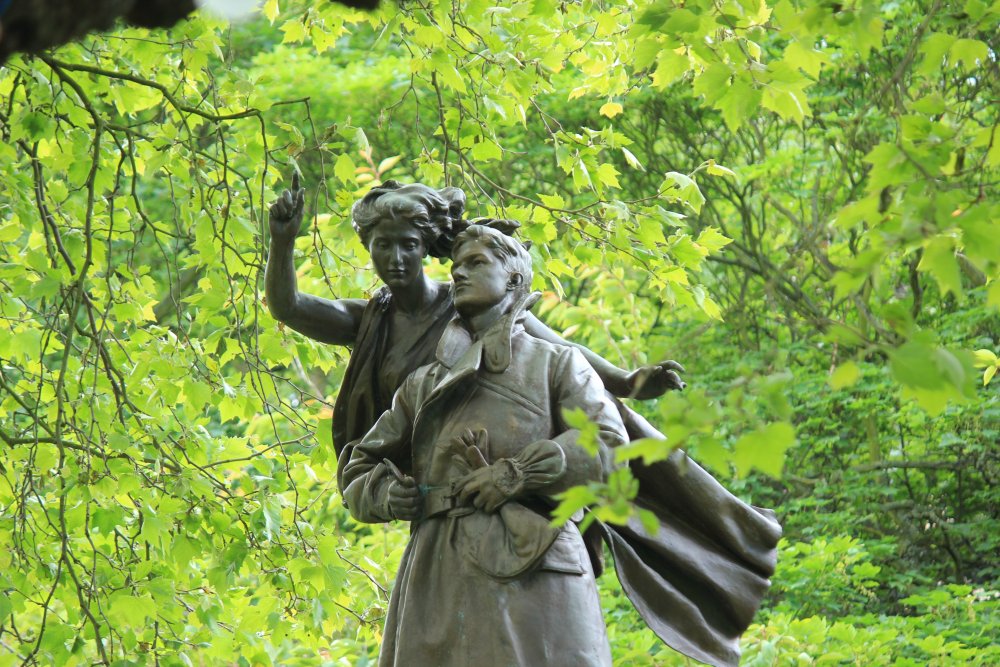
Albert Ball, VC, DSO & Two Bars, MC 14 August 1896 ? 7 May 1917 was an English fighter pilot [...]during the First World War. At the time of his death he was the United Kingdoms leading flying ace, with 44 victories, and remained its fourth-highest scorer behind Edward Mannock, James McCudden, and George McElroy.
Raised in Nottingham, Ball joined the Sherwood Foresters at the outbreak of the First World War and was commissioned as a second lieutenant in October 1914. He transferred to the Royal Flying Corps RFC the following year, and gained his pilots wings on 26 January 1916. Joining No. 13 Squadron RFC in France, he flew reconnaissance missions before being posted in May to No. 11 Squadron, a fighter unit. From then until his return to England on leave in October, he accrued many aerial victories, earning two Distinguished Service Orders and the Military Cross. He was the first ace to become a British popular hero.
After a period on home establishment, Ball was posted to No. 56 Squadron, which deployed to the Western Front in April 1917. He crashed to his death in a field in France on 7 May, sparking a wave of national mourning and posthumous recognition, which included the award of the Victoria Cross for his actions during his final tour of duty. His most renowned enemy, Manfred von Richthofen, remarked upon hearing of Balls death that he was by far the best English flying man.
Læs mere...↑
Raised in Nottingham, Ball joined the Sherwood Foresters at the outbreak of the First World War and was commissioned as a second lieutenant in October 1914. He transferred to the Royal Flying Corps RFC the following year, and gained his pilots wings on 26 January 1916. Joining No. 13 Squadron RFC in France, he flew reconnaissance missions before being posted in May to No. 11 Squadron, a fighter unit. From then until his return to England on leave in October, he accrued many aerial victories, earning two Distinguished Service Orders and the Military Cross. He was the first ace to become a British popular hero.
After a period on home establishment, Ball was posted to No. 56 Squadron, which deployed to the Western Front in April 1917. He crashed to his death in a field in France on 7 May, sparking a wave of national mourning and posthumous recognition, which included the award of the Victoria Cross for his actions during his final tour of duty. His most renowned enemy, Manfred von Richthofen, remarked upon hearing of Balls death that he was by far the best English flying man.
Læs mere...↑



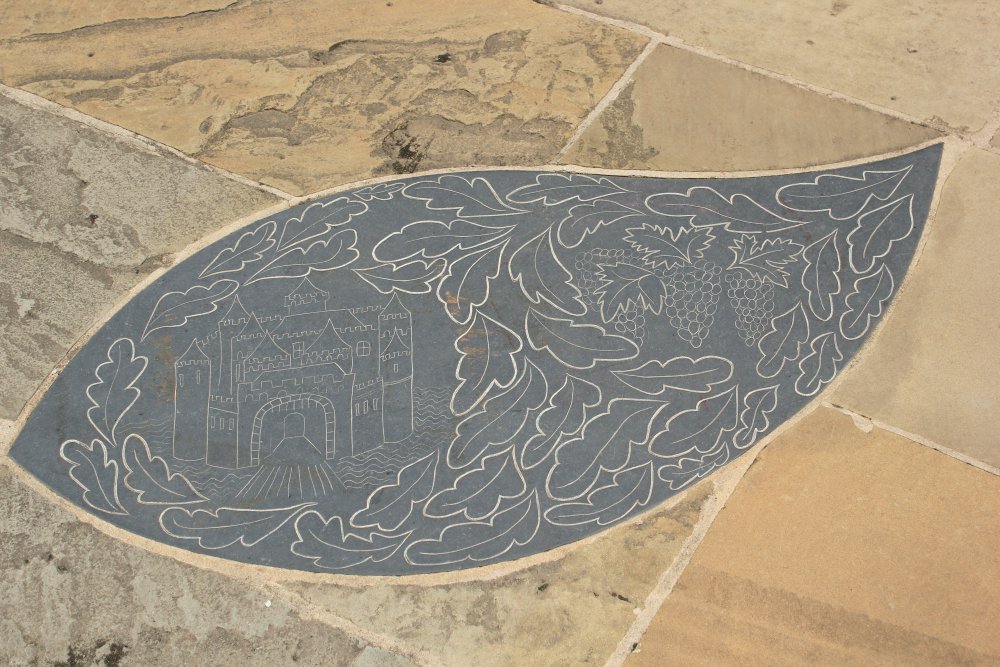
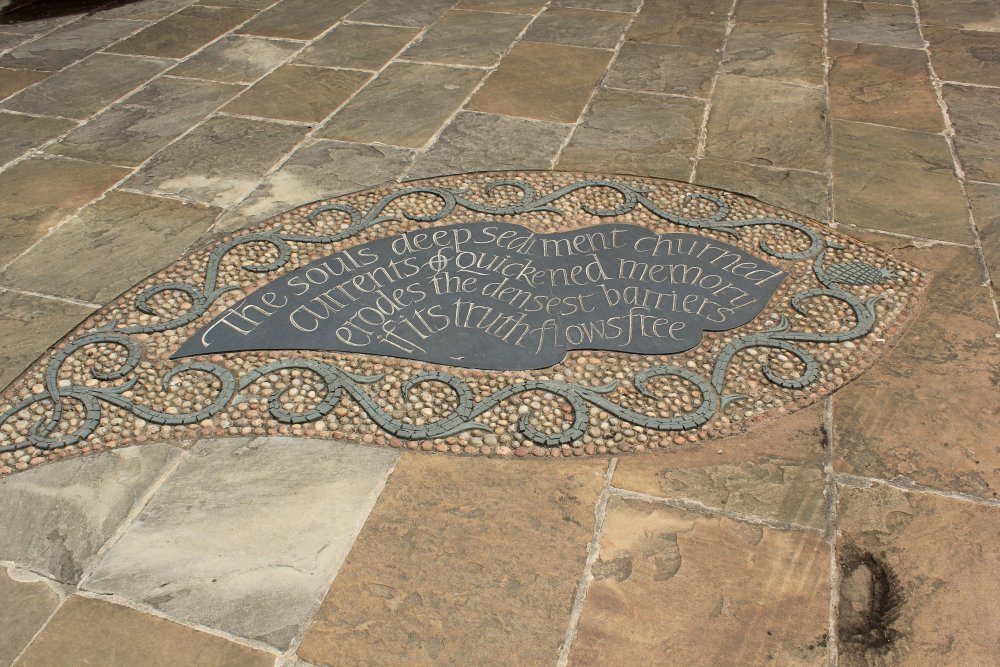
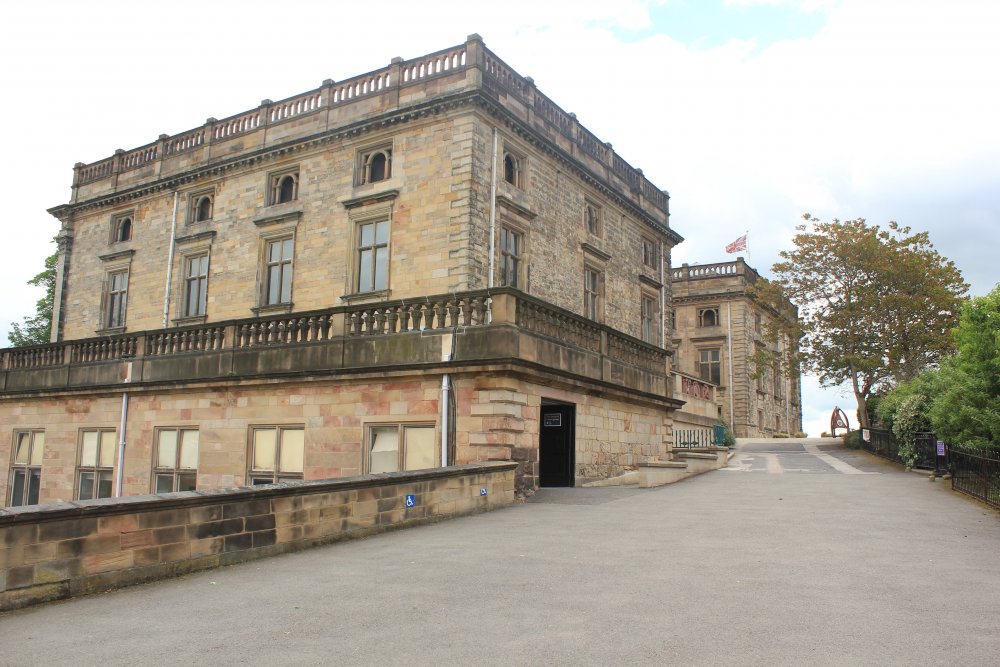
The castle

The view